
Sky King: A Tragic Flight, A Lasting Impact
Through his story, we aim to break the stigma, raise awareness, and provide resources so others don't suffer in silence. His legacy can help bring change.
On the evening of August 10th, 2018, 28-year-old Richard Russell, a ground service agent for Horizon Air, made headlines around the world after stealing a Bombardier Q400 aircraft from Seattle-Tacoma International Airport. Despite having no formal pilot training, Russell flew the aircraft over the Puget Sound for more than an hour, performing several aerial maneuvers that captured the attention of both aviation experts and the public. Throughout the flight, he spoke candidly with air traffic controllers, at times joking and at others expressing deep sadness and self-reflection. The flight ended when Russell intentionally crashed the aircraft on the remote Ketron Island, taking his own life.
Russell later became known as "Sky King" throughout many online communities. While his actions raised serious questions about aviation security, his story also became a powerful reminder of the mental health struggles that many people, particularly men, face in silence. His conversations with air traffic controllers were filled with self-deprecating humor, sadness, and reflection, offering a glimpse into a man who appeared deeply troubled but found a brief sense of freedom in the sky. This website exists not only to remember Richard Russell and tell his story, but also to raise awareness about men's mental health, the stigma that can prevent people from seeking help, and the importance of making resources and support easier to find and access.
Read The Full Story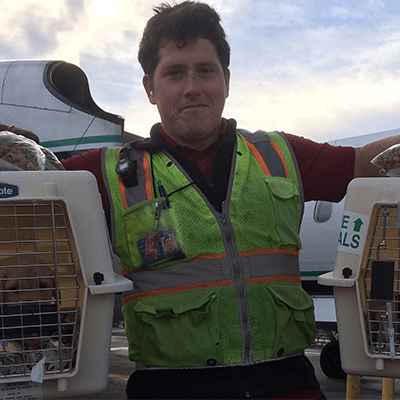
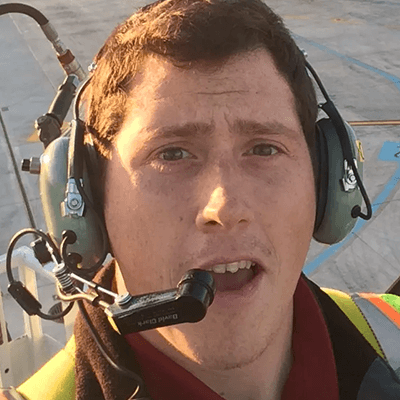
How He Hijacked The Plane
Extended ATC Conversation
Click here for the full audio and a complete transcript.
Wendigoon Covering The Full Story
Tribute to SkyKing
Fly High, Skyking
Sky King and His Final Flight
Early Life and Background
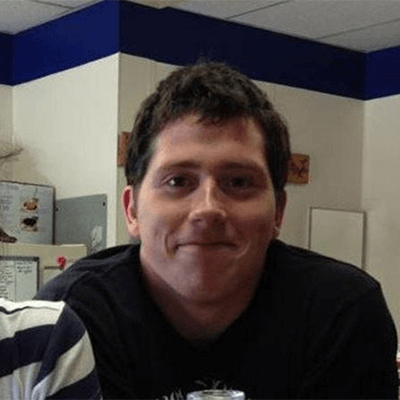
Richard Russell, also known as "Sky King", was a 28-year-old Horizon Air ground service agent from Sumner, Washington. He was known for his friendly personality, sense of humor, and creative pursuits, including running a small bakery with his wife. A podcast he recorded years before his death revealed a man with big dreams, a love of travel, and an interest in aviation, despite having no formal pilot training.
By most accounts, Russell was well-liked and sociable, but those who knew him also described someone who tended to keep his emotions to himself. He may have been dealing with personal struggles that were not obvious to the people around him, something many men experience without ever openly talking about it.
Click here to learn more about Richard's life and the legacy he left behind.
The Events of August 10th, 2018
The Unauthorized Takeoff
On the evening of August 10th, Russell was working his usual shift at Seattle-Tacoma International Airport when he entered an empty Bombardier Q400 aircraft on the tarmac. Using his knowledge and experience as a ground service agent, he was able to start the engines, taxi the aircraft to the runway, and take off without being stopped. The unauthorized departure quickly drew the attention of aviation authorities.
- The aircraft was fully operational but had no passengers or other crew members on board.
- Horizon Air confirmed that the incident was not related to terrorism.
- Air traffic controllers repeatedly tried to guide Russell toward a safe landing, but he showed no intention of doing so.
The 75-Minute Flight Over Puget Sound
For more than an hour, Russell flew over the Puget Sound, at times performing dramatic aerial maneuvers, including a barrel roll that demonstrated a surprising level of control for someone without formal pilot training.
Conversations with Air Traffic Control
- Controllers repeatedly tried to persuade Russell to land, suggesting locations such as McChord Field and Tacoma Narrows Airport.
- Russell was playful at times, joking that his experience with video games had prepared him to fly and asking whether Alaska Airlines might hire him as a pilot if he landed successfully.
- At other times, his tone shifted from humor to sadness and reflection, revealing signs of the personal distress he was experiencing.
Click here to listen to the full audio of Russell's conversation with air traffic control or read the complete transcript.
Notable Quotes from Russell:
"I wouldn't know how to land it. I wasn't really planning on landing it."
"I got a lot of people that care about me... Just a broken guy, got a few screws loose, I guess."
"Damn it, Andrew! People's lives are at stake here!" (before reassuring them that he did not intend to hurt anyone)
Despite being given several opportunities to land safely, Russell ultimately made his final decision, one that would end his life.
The Crash on Ketron Island
As the flight continued, Russell guided the aircraft toward Ketron Island, a small and sparsely populated area in the Puget Sound. At approximately 8:47 PM, the aircraft crashed into a heavily wooded area, killing him on impact.
Immediate Response:
- Military fighter jets had been scrambled and were prepared to intervene if necessary.
- No one on the ground was injured in the crash.
- Russell's death was ruled a suicide, and authorities said the incident was not intended to harm others.
Investigation Findings
Following the incident, the FBI launched an extensive investigation into Russell's actions and how he was able to take the aircraft. Their findings concluded :
- Russell acted alone and received no assistance from others.
- Investigators found no political or terrorist motivation behind his actions.
- The incident exposed vulnerabilities involving airport security and insider access.
The incident also brought renewed attention to airport security procedures and the level of access available to ground personnel.
The Bigger Picture: A Reflection on Men's Mental Health
Richard Russell's story was more than a shocking aviation security breach. It also became a sobering example of how deeply someone can struggle without the people around them fully realizing it.
- His conversations indicated that he did not want to hurt anyone else, while also revealing significant personal distress.
- He frequently used humor during the flight, even while talking about serious and painful subjects.
- His final conversations included regret, sadness, and a sense that he did not see a way forward.
This is part of why men's mental health awareness matters. Many men struggle privately with depression, anxiety, hopelessness, and other mental health challenges while feeling unable or unwilling to talk openly about what they are experiencing.
The Stigma Surrounding Men's Mental Health
Why Don't Men Speak Up?
Despite growing awareness around mental health, many men still hesitate to seek help or openly discuss what they are going through. Several factors can contribute to this:
- Cultural Expectations - Men are often taught that they should be "strong", independent, and capable of handling their problems on their own.
- Fear of Judgment - Some men worry that admitting they need help will cause others to see them as weak or incapable.
- Lack of Emotional Outlets - From a young age, boys are often discouraged from expressing vulnerability or openly discussing difficult emotions.
- Workplace & Social Pressures - Careers, relationships, finances, family responsibilities, and other pressures can create enormous stress, while many men still feel expected to endure it quietly.
The Numbers Tell a Story
- Suicide rates among men are significantly higher than among women, with men accounting for a large majority of suicide deaths in many countries.
- Depression in men can go undiagnosed or untreated, sometimes contributing to substance abuse, self-harm, and other serious consequences.
- Many men who die by suicide never sought professional mental health support before their death, making early recognition and intervention especially important.
Richard's Words Reflect This Struggle:
"I got a lot of people that care about me... Just a broken guy, got a few screws loose, I guess."
His words reflect something many people struggling with their mental health experience: knowing that others care about them while still feeling unable to ask for help or see a way through what they are facing.
Barriers to Accessing Help
Even when someone recognizes that they need help, finding and accessing the right support is not always easy.
Challenges Include:
- Lack of male-specific resources - Many therapy programs and support groups are not specifically designed around the experiences and challenges men may face.
- Cost & Accessibility - Therapy can be expensive, insurance coverage may be limited, and mental health services are not equally accessible everywhere.
- Misinformation - Some men believe therapy will not work for them or that mental health professionals will not understand what they are experiencing.
Breaking These Barriers:
- Encouraging open conversations - Making it more normal for men to discuss mental health with friends, family members, coworkers, and others they trust.
- Promoting accessible resources - Expanding access to affordable mental health care, crisis services, and resources designed specifically for men.
- Building strong support networks - Encouraging men to check in on one another, listen without judgment, and create relationships where difficult conversations are welcomed.
Encouraging Open Dialogue
Richard's story is a heartbreaking example of how serious mental health struggles can remain hidden until it is too late. His story can also serve as a reason to have conversations that too often go unspoken. By talking openly about mental health, making support easier to access, and challenging the stigma surrounding vulnerability, we can help fewer people feel that they have to struggle alone.
🗣️ Talk About It - Check in on the men in your life, including the ones who seem like they are doing fine.
📚 Educate Yourself & Others - Learn to recognize possible signs of depression, suicidal thoughts, and other mental health struggles.
❤️ Share & Support - If this site resonates with you, help spread the message and support organizations working to improve mental health and suicide prevention.
No one should have to face serious mental health struggles alone. Help and support are available.
Finding Help & Making a Difference
Richard Russell's story serves as a tragic reminder that someone can be surrounded by people who care about them and still feel deeply alone. His final conversations revealed a man carrying emotions and struggles that many people around him may never have fully understood.
If you or someone you know is struggling, please visit our Resources Page. We have compiled a list of organizations, crisis helplines, and support networks intended to help people who are struggling or in crisis. Asking for support can be difficult, but reaching out can be an important first step.
If you want to help make a difference, you can also support organizations working to provide mental health resources and suicide prevention services. Visit our Donations Page to find nonprofits focused on suicide prevention, men's mental health, and crisis support. Every contribution helps these organizations continue providing support to people who need it.
The conversation around mental health has changed, but there is still more work to do. Share Richard's story, check in on the people around you, and help make it easier for others to speak openly when they are struggling.
💙 You are not alone. There is always hope. There is always help.

Make A Donation
If this site has resonated with you or helped someone you care about, please consider making a donation. Your support helps organizations working to improve mental health awareness, suicide prevention, crisis support, and access to resources for those who need them most. Every contribution, no matter the size, can help make a difference.
Find Out How